
There was a time when advanced driver-assist safety technology was reserved almost exclusively for brand-new vehicles or high-end luxury trims. Thanks to the passage of time, that’s no longer the case. If you’re shopping for used cars for sale, you might be surprised by just how advanced many pre-owned vehicles have become, especially when it comes to safety technology. Over the last decade, automakers have worked aggressively to standardize driver-assist systems across their lineups, meaning buyers today can often find these features in used vehicles that are a few years old or even older.
Brands like Honda and Toyota have led the way by packaging multiple safety technologies into easy-to-understand systems, but they’re far from alone. Understanding how these systems work and what they’re even called can help you shop smarter and feel more confident when considering a pre-owned vehicle. Keep reading and learn more about what today’s pre-owned market offers in advanced safety tech.
What Are Modern Safety Suites and Why Do They Matter?
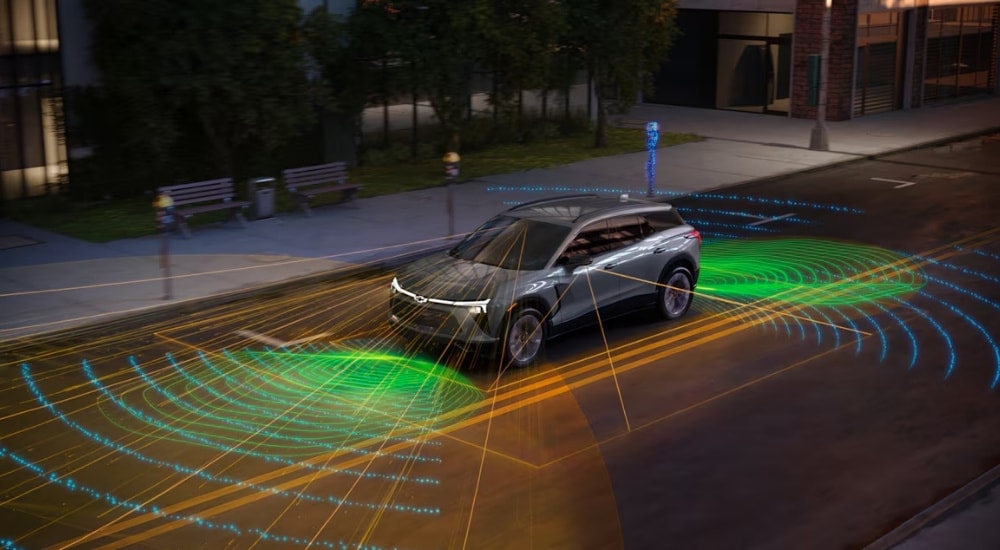
Most modern vehicles no longer rely on a single safety feature working on its own. Instead, manufacturers bundle multiple technologies into comprehensive safety suites designed to help drivers stay aware of their surroundings and avoid potential collisions, whether that’s in the front, rear, or sides of your vehicle. These systems typically use cameras, radar sensors, and computer software to monitor traffic conditions and provide alerts or assistance when necessary.
Some of the most common features found in these safety suites include Forward Collision Warning, Automatic Emergency Braking, Lane Keeping Assistance, Adaptive Cruise Control, Blind Spot Monitoring, and Rear Cross Traffic Alert. While the names may vary by manufacturer, the goal is usually the same: to help drivers identify potential hazards before they become serious problems.
For used car shoppers, this technology matters because it adds a layer of protection that simply didn’t exist in older vehicles. These systems don’t replace attentive driving, but they can help reduce stress during highway travel, heavy traffic, and unpredictable road conditions. For families, commuters, and newer drivers, these features can provide valuable peace of mind.
Honda Sensing: Making Advanced Safety Widely Available
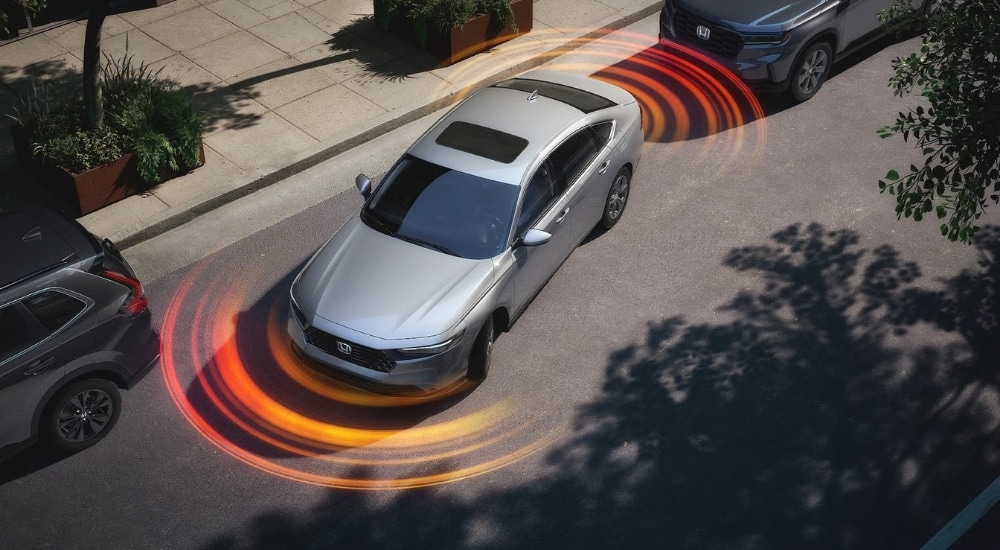
Honda was one of the first manufacturers to aggressively expand advanced driver-assist systems across multiple models, making Honda Sensing-equipped vehicles especially common in the used-vehicle market. It is designed to assist drivers by using a combination of radar and camera technology to monitor road conditions. One of its most well-known features is the Collision Mitigation Braking System, which helps detect potential frontal collisions and can automatically apply braking if necessary. Another key feature, Road Departure Mitigation, helps detect when a vehicle begins to drift off the road and can provide steering assistance to help guide it back.
Drivers also benefit from the Lane Keeping Assist System, which helps maintain proper lane positioning during highway driving. Meanwhile, Adaptive Cruise Control with Low-Speed Follow automatically adjusts the vehicle's speed to maintain a safe following distance, even in stop-and-go traffic. Some Honda models also include Traffic Sign Recognition, which displays speed limits and road signs directly on the vehicle’s dashboard.
These features can be found across several popular Honda models commonly available on the pre-owned market. The Honda Accord, Civic, CR-V, and Pilot have all offered Honda Sensing across multiple model years, giving you a wide selection of vehicles to choose from when prioritizing safety technology. Because Honda introduced these systems relatively early, about one year before Toyota, many used Honda vehicles still feel modern from a safety standpoint. The first model year to feature Honda Sensing in America was 2015 with that year’s CR-V model, so that’s a great starting point. Models like the Civic and Accord wouldn’t receive the safety suite until the 2016 model.
Toyota Safety Sense: Prevention-Focused Driver Assistance
Toyota took a similarly aggressive approach with its own driver-assist technology suite, known as Toyota Safety Sense. The system focuses heavily on collision prevention and driver awareness. Like Honda, Toyota gradually expanded it across nearly its entire lineup.
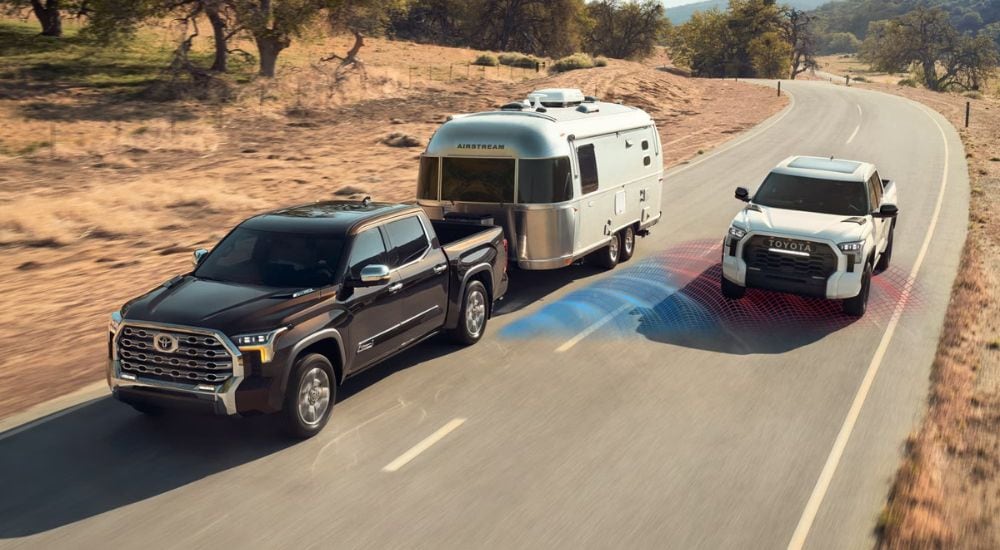
One of the core features of Toyota Safety Sense is the Pre-Collision System with Pedestrian Detection, which helps monitor the road ahead for vehicles, cyclists, and pedestrians. If a potential collision is detected, the system can provide alerts and assist with braking. Toyota also offers Lane Departure Alert with Steering Assist, which helps drivers maintain proper lane positioning by providing gentle steering input when needed.
Another widely appreciated feature is Dynamic Radar Cruise Control, Toyota’s version of Adaptive Cruise Control, which automatically adjusts speed to maintain a safe following distance. Toyota Safety Sense also includes Automatic High Beams, which help improve nighttime visibility by switching between high and low beams automatically based on traffic conditions. In newer versions of the system, Lane Tracing Assist also provides additional steering guidance during highway travel.
Used Toyota vehicles, such as the Camry, Corolla, RAV4, and Highlander, have featured Toyota Safety Sense across multiple model years. The first model year to feature Toyota Safety Sense was 2016, but its release was limited. It was available on the 2016 Camry but did not appear on models like the Corolla, RAV4, and Highlander until the 2017 model year. That widespread availability makes Toyota models a strong option for buyers looking to combine reliability with modern safety technology in a pre-owned vehicle that doesn’t break the bank.
Other Brands Expanding Safety Technology in Used Cars
Honda and Toyota undoubtedly helped popularize safety suites, but they’re part of a larger industry shift toward standardized driver-assist technology. Many other manufacturers now offer similar systems under their own branding.
Chevrolet, for example, uses Chevy Safety Assist, which includes features like Forward Collision Alert, Automatic Emergency Braking, Front Pedestrian Braking, Lane Keep Assist with Lane Departure Warning, and Following Distance Indicator. These features can be found on a wide range of Chevy models, including the Malibu, Equinox, Traverse, and Silverado, across several recent model years. Chevy also offers Teen Driver, a bespoke system designed to help parents monitor their newly-licensed teen’s driving habits and set rules the vehicle will follow, such as volume and speed limits, accessible through the parent’s mobile app.
Ford offers Ford Co-Pilot360, which includes Pre-Collision Assist with Automatic Emergency Braking, Blind Spot Information System, Lane-Keeping System, and Auto High-Beam Headlamps. Models like the Ford Escape, Explorer, and F-Series trucks have offered this suite in recent years.
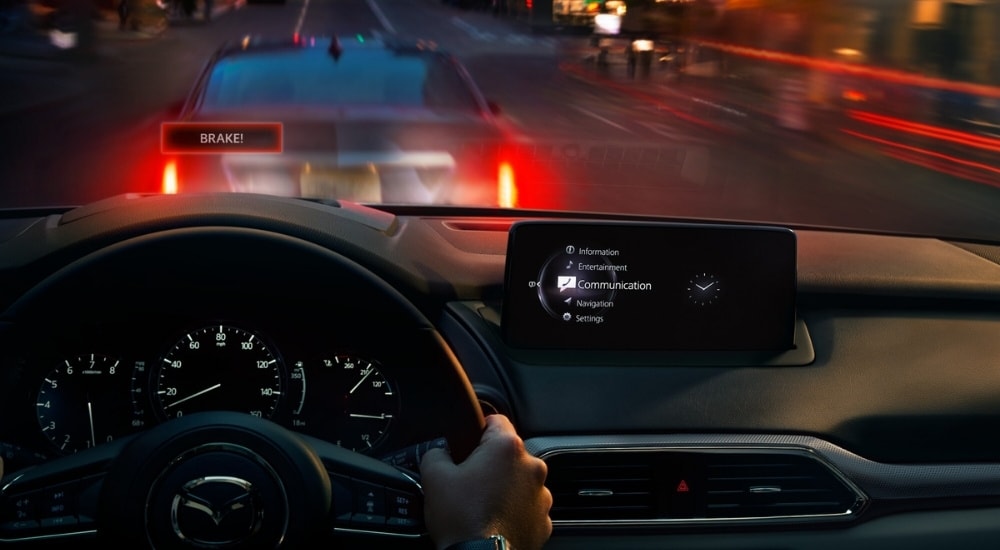
Mazda uses i-ACTIVSENSE, a safety technology package that includes Smart Brake Support, Lane Departure Warning, Blind Spot Monitoring, and Mazda Radar Cruise Control. Mazda vehicles, such as the CX-5 and Mazda 3, often feature these systems and are known for pairing safety with engaging driving dynamics.
How to Shop Smart When Looking for Safety Technology in Used Cars
If safety technology is a priority, it helps to research when certain features became standard across specific models. Many manufacturers expanded safety suites across their lineups gradually, meaning newer model years are more likely to include full system availability rather than optional packages.
When test-driving a used vehicle, it’s also helpful to confirm that safety features are functioning properly and to ask about how each system operates. This doesn’t mean staging a crash, but rather speaking with an expert, or looking through the vehicle’s settings to learn how to customize your experience, so you can get the most out of the car you’re testing. Ultimately, balancing safety features with other considerations, such as mileage, condition, and maintenance history, helps ensure that you choose a used vehicle that meets your needs now and into the future.
Modern Safety Without the New Car Price Tag
The idea that advanced safety technology is only available in brand-new vehicles simply isn’t true anymore. Many used vehicles now include comprehensive driver-assist suites like Honda Sensing, Toyota Safety Sense, Chevy Safety Assist, Ford Co-Pilot360, and Mazda i-ACTIVSENSE, among others, offering drivers added awareness and protection on the road.
If you’re exploring used cars for sale, these features provide an opportunity to combine modern technology with long-term value. With the right research and careful selection, today’s pre-owned vehicles can deliver safety capabilities that would have been considered cutting-edge just a few short years ago. For many drivers, that combination of affordability and advanced protection makes the used car market more appealing than ever, and we agree.
 AdChoices