
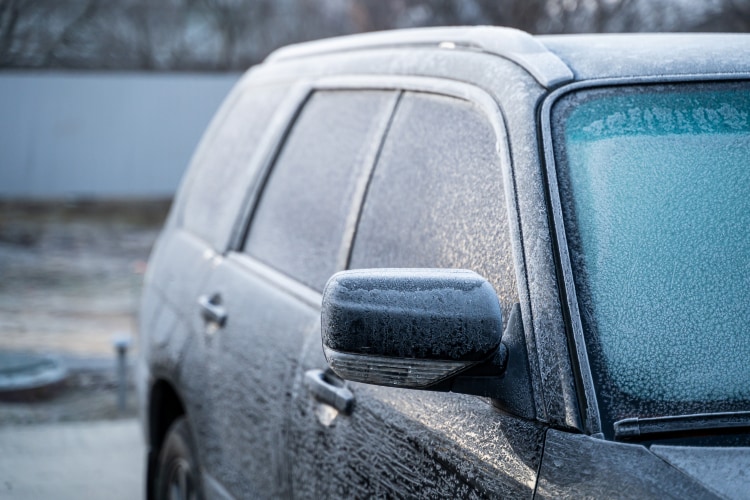
Many parts of the country have recently experienced historically low temperatures and snowfall totals. These conditions remind us how much winter weather impacts our daily lives, including our vehicles. According to the Federal Highway Administration, nearly 70% of the U.S. population lives in areas that annually experience significant winter weather, making vehicle preparedness and care an ongoing reality for millions.
No matter how accustomed you are to freezing temperatures and regular snowfall, it’s important to understand how these conditions affect a vehicle’s performance and reliability. From weak batteries to worn-out wiper blades, cold weather can impact several key systems and components. To help you stay ready for the next cold snap, we’re breaking down common cold-weather car issues, why they occur, and what you can do to prevent them.
Weak Battery
Let’s start with what powers your vehicle and gets you on the road – the battery. Car batteries play the critical role of supplying the electrical energy that starts the engine and supports essential systems, such as lights, radio, windows, and more. In cold weather, batteries can struggle to produce that necessary surge of power.
As temperatures drop, the chemical reactions inside a battery slow down. This can lead to weakened performance or even complete failure. Jumper cables offer a quick fix, but jump-starting a car in the cold is inconvenient and best avoided. Fortunately, there are simple habits that reduce the risk of cold-weather battery issues.
- Visually inspect your battery regularly. Check that all cables, connections, and terminals are secure and free of corrosion.
- Have your battery tested during service visits. Testing confirms the battery is operating at full strength and identifies signs of weakness before cold temperatures arrive.
- Replace your battery when recommended. Most manufacturers suggest a new battery every three to five years, with routine maintenance and upkeep in between.
Low Tire Pressure
Tires are especially susceptible to cold weather. As temperatures drop, air contracts, pressure decreases, and tires become underinflated.
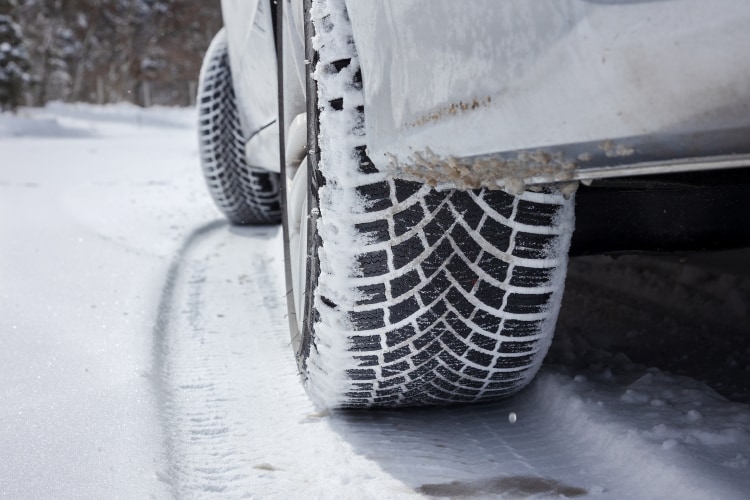
Driving with underinflated tires can reduce traction, diminish fuel efficiency, and lead to uneven wear. More importantly, it can compromise handling and overall safety on roadways impacted by winter weather. Routinely checking tire pressure, refilling to the manufacturer’s recommended PSI, monitoring tread depth, and performing tire rotations as advised extends tire life and maintains safe performance levels. Even with proactive care, tire replacement will eventually be necessary, typically between 50,000 and 60,000 miles, depending on driving habits and conditions.
Your local Hendrick dealership is here to make sure your tires are ready for cold-weather driving. From quick pressure checks to thorough inspections, our service teams will help you stay safe and confident when the cold hits.
Thick Fluids
Vehicles rely on several fluids to operate properly, including oil, transmission fluid, and antifreeze. If cold enough, these fluids can thicken, which makes it harder for them to flow and circulate as they should. When this happens, performance suffers, and critical components are prone to damage.
- Engine Oil: When oil thickens, it circulates more slowly, delaying lubrication of internal components and forcing the engine to work harder. Warnings signs include difficult and sluggish starts, increased engine noise, and rough operation.
- Transmission Fluid: Thickened transmission interferes with smooth gear changes. Drivers may notice delayed, hard, or jerky engagement.
- Antifreeze: Despite its name, antifreeze can thicken and freeze up in cold weather, especially if it’s low or incorrectly mixed. This prohibits the engine from maintaining a safe operating temperature, so keep an eye on your dashboard engine temperature gauge.
Faulty Wiper Blades
When exposed to cold weather, the rubber components of windshield wipers can become stiff and brittle. This increases the likelihood of cracking, fraying, and tearing. When this occurs, wiper blades struggle to clear your windshield effectively, leaving behind streaks, smears, and missed spots that reduce visibility.
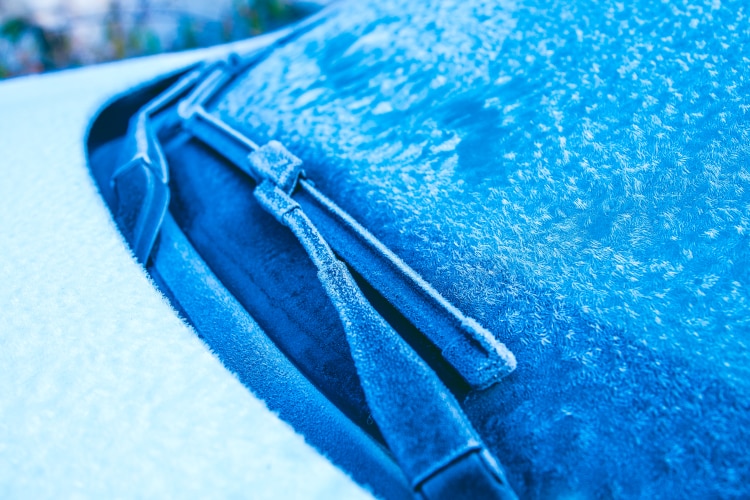
Full and clear visibility is important year-round, but it becomes paramount during precipitation and shorter daylight hours. If you’re anticipating any form of winter weather, it’s smart to lift your wiper blades so they avoid direct contact with snow, ice, or a frozen windshield. You can consider winter-specific or silicone wiper blades, which are more resistant to harsh weather. But regardless of wiper type, the safest practice is to monitor their condition regularly. Check for visible signs of damage and replace as needed – typically every six to 12 months – to maintain consistent performance and safe visibility.
Slow Screens
This is a relatively recent trend, as most newer vehicles utilize liquid crystal display (LCD) technology for infotainment screens and digital driver displays. In extremely cold temperatures, the liquid crystals inside these displays react more slowly. If your digital screens ever seem lethargic or less responsive, this is the likely culprit. While temporarily frustrating, this isn’t a real cause for concern. Once the vehicle warms up, screen performance returns to normal. If available, parking in a garage will limit exposure to the cold, but simply allowing your vehicle time to warm up is all that’s needed.
Attention EV Owners
If you drive an electric vehicle (EV), you need to understand that cold weather has a specific impact on EV performance and efficiency. EVs rely entirely on a battery system, and like any battery, they operate best within an optimal temperature range (usually around 70 degrees). As temperatures drop, the battery’s chemical processes slow down, reducing driving range and increasing charging times.
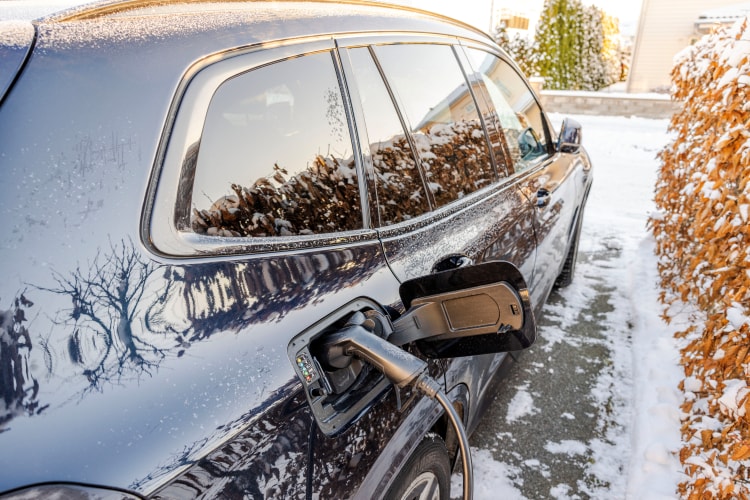
The good news is that these effects are typically temporary and do not cause any sort of long-term damage. To help manage EV performance, try to limit prolonged exposure to extreme cold, monitor your vehicle range indicator more closely, and allow additional time for charging. With a few simple adjustments, EV owners can continue driving confidently when the temperature falls.
Stay Ahead of the Forecast
Now we know that vehicles experience unique impacts as temperatures rise and fall throughout the year. Cold weather, in particular, can affect performance, efficiency, and overall safety. Understanding how these seasonal changes influence your vehicle is key to staying prepared and knowing how to respond before minor inconveniences become major issues.
Winter weather may come and go, but proactive vehicle maintenance is always in season. For added confidence and peace of mind before the next cold snap, visit your local Hendrick service center. Battery testing, tire inspections, fluid checks, and everything in between – our service experts are dedicated to keeping your vehicle ready for whatever weather conditions lie ahead.
 AdChoices